Source Custom Color Acrylic Sheet for Architecture, Advertising, and Decoration
Explore 30 listings for custom color acrylic sheet options suitable for architecture, advertising, and decoration. Compare specifications including thickness from 0.6mm to 50mm, density, and transmittance rates to find the right material for your project needs; compare the available evidence and request quotations based on your requirements.
Key considerations
Products List




Comprehensive Sourcing Guide
Custom Color Acrylic Sheet Sourcing Guide
Procuring custom color acrylic sheets requires a strategic approach that balances aesthetic requirements with technical performance. Buyers must recognize that "custom" implies a deviation from standard stock colors, often necessitating specific manufacturing processes or post-production treatments. This guide outlines the critical verification steps for sourcing these materials, ensuring that the final product meets both visual and structural expectations. The focus is on evidence-based decision-making, helping procurement teams navigate the complexities of material selection, supplier capability, and commercial terms. By understanding the observed listing signals and technical parameters, buyers can mitigate risks associated with color consistency, dimensional stability, and surface quality.
The primary challenge in sourcing custom color acrylic is ensuring that the specified hue remains consistent across batches and production runs. Unlike transparent or standard white sheets, colored acrylics are susceptible to variations in pigment dispersion and processing temperatures. Buyers should request physical samples before committing to large orders to verify color accuracy under different lighting conditions. Additionally, it is crucial to confirm whether the color is achieved through bulk compounding or surface coating, as this significantly impacts durability and edge appearance. This initial assessment forms the foundation for a successful procurement strategy, aligning supplier capabilities with project-specific design requirements.
Product Scope and Observed Listing Signals
The market for custom color acrylic sheets encompasses a wide range of materials, primarily categorized into cast and extruded types. Observed listings indicate that suppliers offer both acrylic and ABS materials, with acrylic being the dominant choice for high-transparency applications. The product scope includes various thicknesses, typically ranging from 0.6 mm to 50 mm, allowing for diverse structural applications. Buyers should note that while some listings specify "Color Plastic Sheet" as the kind, others focus on "Transparent Plastic Sheet," indicating that color options may be an add-on service rather than a standard stock item. Understanding this distinction helps in identifying suppliers who specialize in custom color production versus those who primarily handle standard transparent sheets.
Listing signals also reveal variations in standard dimensions and packaging methods. Common sheet sizes include 1220x2440 mm and 1560x3050 mm, with customization available for non-standard sizes. Packaging options range from standard cartons to PE film wrapped around wood pallets, which is essential for protecting large, heavy sheets during transit. The observed MOQ range is broad, from 1 to 10,000 pieces, suggesting that suppliers cater to both small-scale prototyping and large-scale industrial projects. Buyers should scrutinize these signals to determine if a supplier’s minimum order quantity aligns with their project volume. Furthermore, the presence of "Customized" in color and standard attributes indicates a flexible manufacturing capability, but buyers must verify the lead time implications of such customization.
Technical Specifications to Verify
When evaluating custom color acrylic sheets, buyers must prioritize technical specifications that directly impact performance and longevity. Key parameters include tensile strength, density, and water absorption. Observed data suggests tensile strength ranges from 51 to 80 MPa, which is critical for structural applications. Density is typically around 1.2 g/cm³, a standard value for acrylic materials that helps in calculating weight for logistics and structural load. Water absorption is generally less than 0.01%, indicating high resistance to moisture, which is vital for outdoor or humid environment applications. Buyers should request test reports that confirm these values for the specific batch they intend to purchase, as slight variations can occur based on raw material sources and processing conditions.
Dimensional accuracy is another critical specification to verify. Thickness tolerance is often listed as ±0.3 mm, but buyers should confirm if this applies to the entire sheet or only at specific points. For large sheets, warping or bowing can occur, so it is advisable to request flatness measurements. Additionally, the contraction percentage, observed to be between 0.4% and 1.4% for some products, affects the final dimensions after cooling. This is particularly important for precision-cut applications where tight tolerances are required. Buyers should also verify the transmittance, which is observed at 93% for transparent sheets, to ensure that the custom color does not compromise light transmission if that is a project requirement.
Compliance and Safety Documentation
Compliance with international standards is a non-negotiable aspect of sourcing acrylic sheets, especially for applications in architecture, advertising, and decoration. Suppliers should provide documentation proving that their products meet relevant safety and quality standards. While specific standards are not always listed in product descriptions, buyers should request certificates such as ISO9001 for quality management, ISO14001 for environmental management, and ISO45001 for occupational health and safety. These certifications indicate that the supplier has established processes to maintain consistent quality and safe working conditions. Additionally, for applications involving fire safety, buyers should inquire about flame retardant properties and any relevant fire resistance certifications.
Safety documentation should also include material safety data sheets (MSDS) that detail the chemical composition of the acrylic sheet. This is particularly important for custom color sheets, as the pigments used may have specific safety considerations. Buyers should verify that the raw materials are 100% virgin, as indicated in some listings, to ensure that no recycled materials with unknown impurities are used. This is crucial for applications where hygiene or chemical resistance is a concern. Furthermore, buyers should check for any environmental certifications that confirm the product is free from harmful substances, ensuring compliance with local regulations and sustainability goals.
Cost Drivers and Commercial Terms
The cost of custom color acrylic sheets is influenced by several factors, including material type, thickness, size, and the complexity of the custom color. Acrylic sheets are generally more expensive than ABS sheets due to their superior optical clarity and durability. Thickness is a significant cost driver, with thicker sheets commanding higher prices due to increased material usage and processing time. Custom colors often incur additional costs compared to standard colors, as they require specific pigment formulations and potentially separate production runs. Buyers should request detailed quotations that break down these cost components to understand the value proposition and identify potential areas for cost optimization.
Commercial terms, including payment methods, lead times, and shipping options, also impact the total cost of procurement. Observed lead times range from 20 to 25 days for standard orders, but custom color orders may take longer due to the need for color matching and production scheduling. Buyers should negotiate clear delivery terms, specifying whether the price includes shipping, insurance, and customs duties. Payment terms, such as advance payment or letter of credit, should be aligned with the supplier’s credit policy and the buyer’s cash flow requirements. Additionally, buyers should consider the cost of packaging, as specialized packaging for large or fragile sheets can add to the overall expense.
Supplier Qualification and Quality Control
Qualifying a supplier for custom color acrylic sheets involves assessing their manufacturing capabilities, quality control processes, and track record. Buyers should request information on the supplier’s production equipment, such as extrusion lines or casting facilities, to ensure they have the capacity to handle custom orders. The use of advanced technology, as indicated in some listings, suggests a higher level of precision and consistency in production. Buyers should also inquire about the supplier’s quality control procedures, including incoming material inspection, in-process checks, and final product testing. A robust quality control system is essential for ensuring that the custom color and technical specifications are met consistently.
Supplier qualification should also include an assessment of their customer service and communication capabilities. Custom color orders often require close collaboration between the buyer and the supplier to achieve the desired result. Buyers should evaluate the supplier’s responsiveness to inquiries, their ability to provide technical support, and their willingness to offer samples for approval. Additionally, buyers should check for any client references or case studies that demonstrate the supplier’s experience with similar projects. This helps in building confidence in the supplier’s ability to deliver high-quality custom color acrylic sheets on time and within budget.
Long-Term Procurement Checks
For long-term procurement of custom color acrylic sheets, buyers should establish a framework for ongoing supplier performance monitoring. This includes tracking key performance indicators such as on-time delivery, quality defect rates, and cost stability. Regular audits of the supplier’s facilities and processes can help identify potential issues before they impact production. Buyers should also maintain open lines of communication with the supplier to discuss any changes in material availability, pricing, or production capacity. This proactive approach helps in mitigating risks and ensuring a stable supply chain.
Additionally, buyers should consider the sustainability and environmental impact of their procurement decisions. This includes evaluating the supplier’s environmental practices, such as waste management and energy efficiency. Long-term partnerships with suppliers who prioritize sustainability can help buyers meet their own corporate social responsibility goals. Buyers should also keep abreast of industry trends and technological advancements that may offer new opportunities for cost savings or performance improvements. By continuously reviewing and updating their procurement strategy, buyers can ensure that they are getting the best value for their custom color acrylic sheet purchases.
FAQs
What customization options exist for color acrylic sheets?
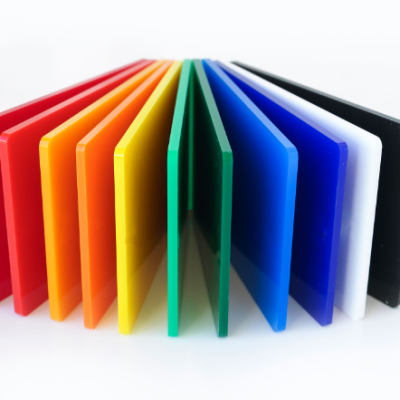
Custom colors are available for acrylic sheets alongside standard options like white, red, blue, transparent, and yellow. Buyers can request specific shades to match branding needs while maintaining the material's high transmittance of 93 percent and density of 1.2 grams per cubic centimeter for consistent performance.
How thick can custom color acrylic sheets be manufactured?
Manufacturers produce these sheets with thickness ranging from 0.6 millimeters up to 50 milleters depending on the specific model. Tolerance is typically plus or minus 0.3 millimeters, ensuring precision for applications in architecture, advertising, and decoration where dimensional accuracy is critical for installation.
Which certifications do acrylic sheet manufacturers typically hold?
Reputable suppliers often hold ISO9001, ISO14001, and ISO45001 certifications to demonstrate quality and safety management. These factories use 100 percent virgin raw materials and advanced technology to ensure the final product meets international standards for density, water absorption, and tensile strength requirements.
Can I find suppliers with a minimum order quantity of one piece?
Yes, some vendors offer a minimum order quantity starting at just one piece for custom color acrylic sheets. While other suppliers may require 100 pieces, the market provides flexible options allowing small buyers to source materials without committing to large bulk orders immediately.
What is the typical delivery time for custom acrylic sheets?
Standard delivery times range from 20 to 25 days after order confirmation for most suppliers. This lead time accounts for production, quality checks, and packaging in cartons or on wooden pallets, ensuring safe transport from origins in China to international destinations.
How does the density of acrylic compare to other plastics?
Acrylic sheets have a density of approximately 1.2 grams per cubic centimeter, which is considered low density compared to many other engineering plastics. This characteristic makes them lightweight yet durable, suitable for applications requiring structural integrity without excessive weight in architectural or decorative projects.
What packing methods are used for shipping acrylic sheets?
Suppliers typically use PE film or kraft paper combined with wooden pallets for secure shipping. Standard packaging includes cartons or pallets to protect the sheets during transit, ensuring they arrive without scratches or damage while maintaining the high clarity and surface quality of the material.